



CapeVerde
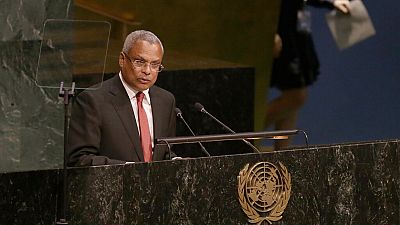
The Cape Verdean government on Monday declared a social and economic emergency in the archipelago, which is driven by the effects of the war in Ukraine after those of Covid-19 and the drought.
Inflation has reached 8%, according to data from last May. At the same time in 2021, inflation was at 1.9%.
With the loss of purchasing power, nine out of every 100 Cape Verdeans are at risk of food insecurity, whereas in 2020, at the height of the pandemic, the figure was only 2%, Prime Minister Ulisses Correia e Silva told a press conference in Praia.
By declaring a social and economic emergency, the government intends to obtain more support from the international community so that it can continue to finance the protection measures for families and businesses already adopted, he explained.
"We have adopted several measures since last March to stabilise food and oil prices and to help the most vulnerable families, and the total cost of these measures is 9 billion escudos (€81.6 million) by the end of 2022," he said.
Cape Verde is therefore now engaging in "a strong diplomatic offensive with our partners to mobilise more resources", he said, encouraging his compatriots to save.
Cape Verde, whose GDP was 25% dependent on tourism before Covid-19, had been severely affected by the pandemic.







00:54
Massive blackout plunges western Cuba into darkness as power grid struggles
01:11
Malaria deaths, cases surged in 2024 with gains at stake - Report
00:00
Pope Leo says he hopes to visit Africa in 2026 as he wraps up his first foreign trip
01:09
UNAIDS urges global unity in World AIDS Day call to action
01:00
Russian drone strikes on Kharkiv kill four and injure dozens
Go to video
French President Emmanuel Macron continues his African tour in Libreville